Asphalt Industry
Asphalt Industry
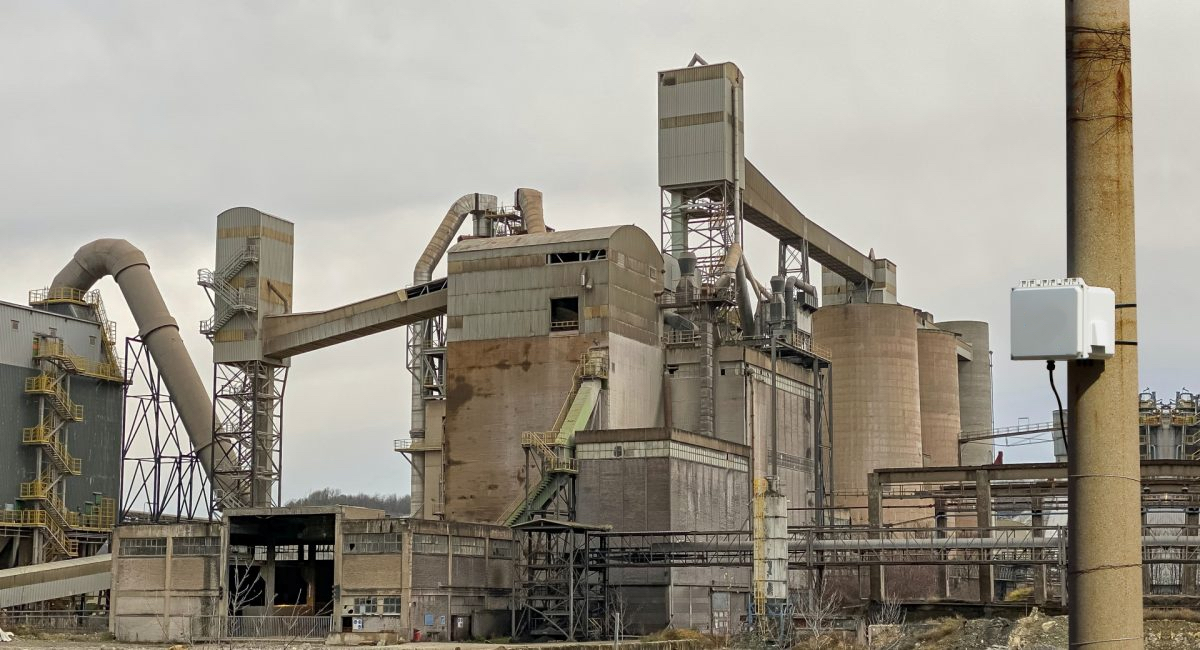
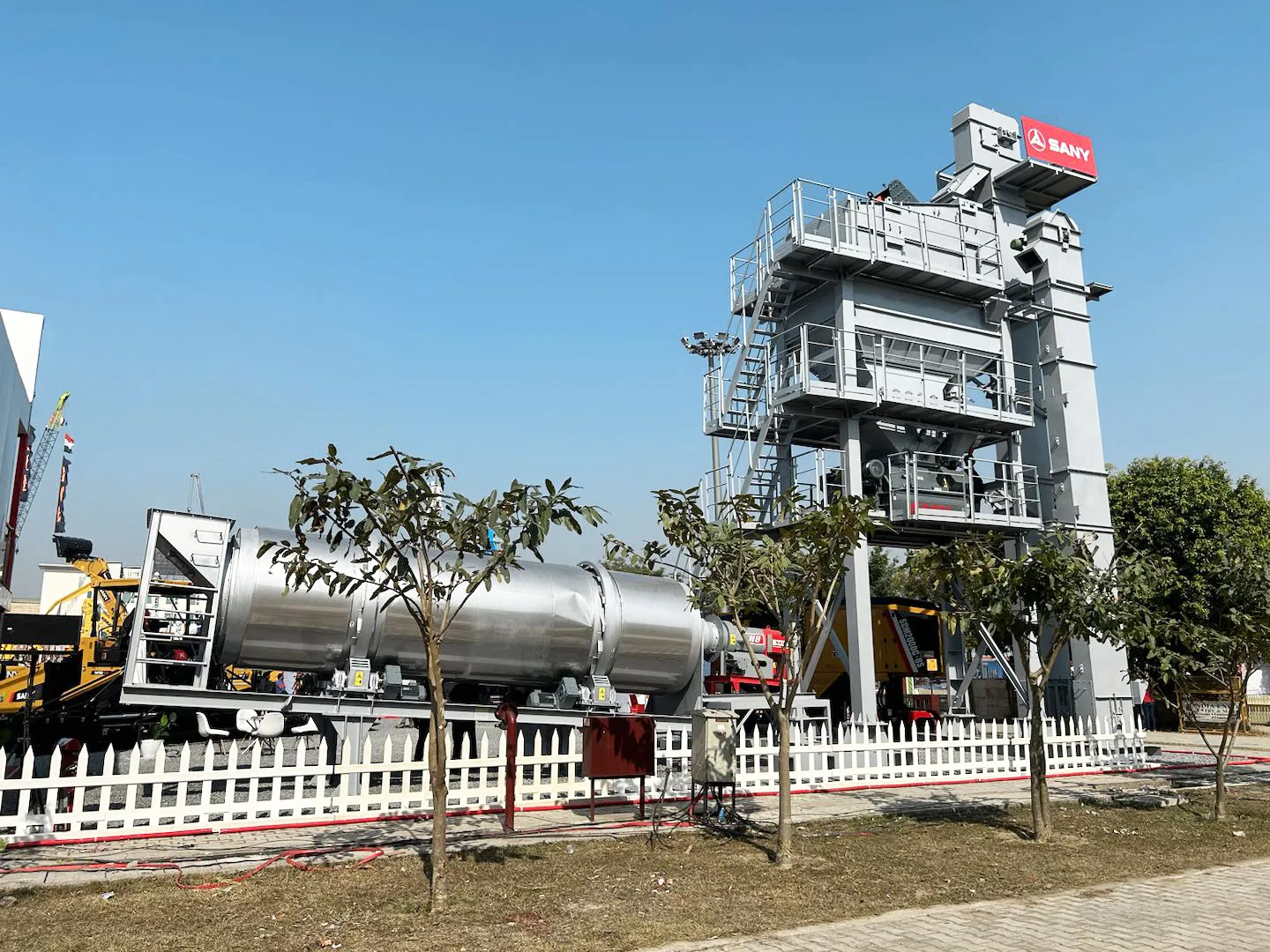
A hot mix asphalt (HMA) plant produces paving material by blending aggregates—such as sand, crushed stone, gravel, slag, oyster shells, decomposed granite, rock dust, lime, or cement—with bitumen. The final mix grade determines which aggregates are used. Once prepared, the hot asphalt is loaded into trucks and delivered to construction sites.
Because transportation costs are a major factor, most asphalt plants are located near their end users. As a result, the United States alone has over 3,500 HMA plants.
These facilities are often situated inside or near city limits, making dust emissions a concern for regulators, nearby residents, and plant operators. In response, air pollution control laws have been adopted worldwide, many with rules specifically targeting asphalt plants. Today, no new HMA plant is built without a dust control system built in. Meanwhile, rising demand for asphalt paving materials only increases the need for effective emission management.
Important Processes in an Asphalt Mixing Plant
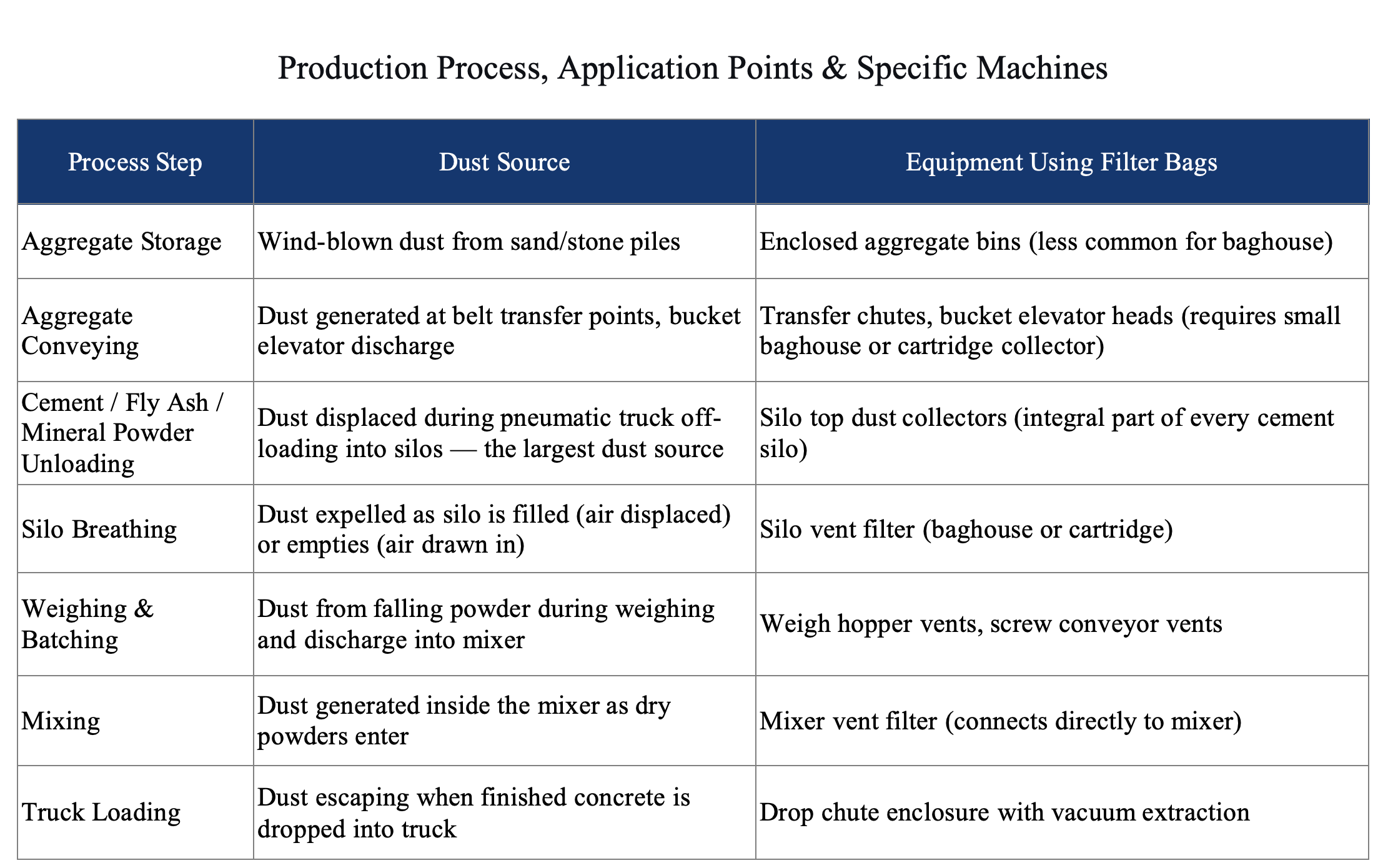
1. Aggregate storage
2. Aggregate conveying
3. Cement / fly ash / mineral powder unloading
4. Silo breathing
5. Weighing & batching
6. Mixing
7. Truck loading
Mixing Temperature
1. Batch mix plant:
Aggregate heating temperature is 10–30°C higher than the asphalt temperature.
2. Continuous drum mix plant:
Aggregate heating temperature is 5–10°C higher than the asphalt temperature.
Dust Collection Challenges
At a hot mixing asphalt plant dust sources are the drum dryer, hot aggregate elevator, vibrating screens, hot aggregate storage bins, weigh hopper, mixer, and truck loading. Among them, the largest dust emission source is the drum dryer, where aggregates are dried and mixed with asphalt cement. The dust ladden gas flow generated during the drying and mixing of aggregates has the following characteristics:
High volume and velocity
Abrasive and alkali corrosive
Variable composition depending on the source of the raw materials
Fine particles
High temperature
Moisture at elevated temperature
This dust can pose significant health and environmental risks if not properly managed. Therefore, dust collection is a critical aspect of maintaining an asphalt plant, as it ensures the safety and efficiency of the production process.
Our Contribution
We supply the filter bags that keep asphalt plants running clean and compliant.
Our bags handle the toughest conditions: high temperature (120–200°C), abrasive silica dust, moisture from wet aggregate, and sticky hydrocarbon vapors. We match the right bag to each application:
Aggregate dryer – High-temperature bags (meta-aramid, PPS, or PTFE) with PTFE membrane to capture sub-micron dust.
Silo top & mixer vent – Anti-static bags with water/oil repellent finish to prevent condensation, static buildup, and bag blinding.
Transfer points – Heavyweight felt with reinforced cuffs for abrasion resistance.
We also help operators optimize pulse cleaning, manage temperature above acid dew point, and avoid unplanned downtime.
The result: Lower emissions, fewer bag failures, longer life, and lower cost per ton of asphalt.