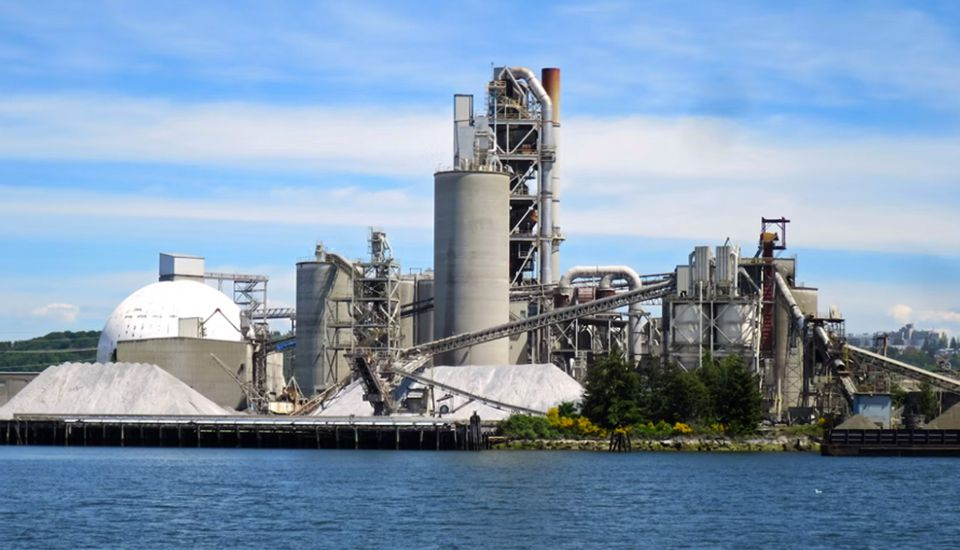
cement industry
Industry Overview
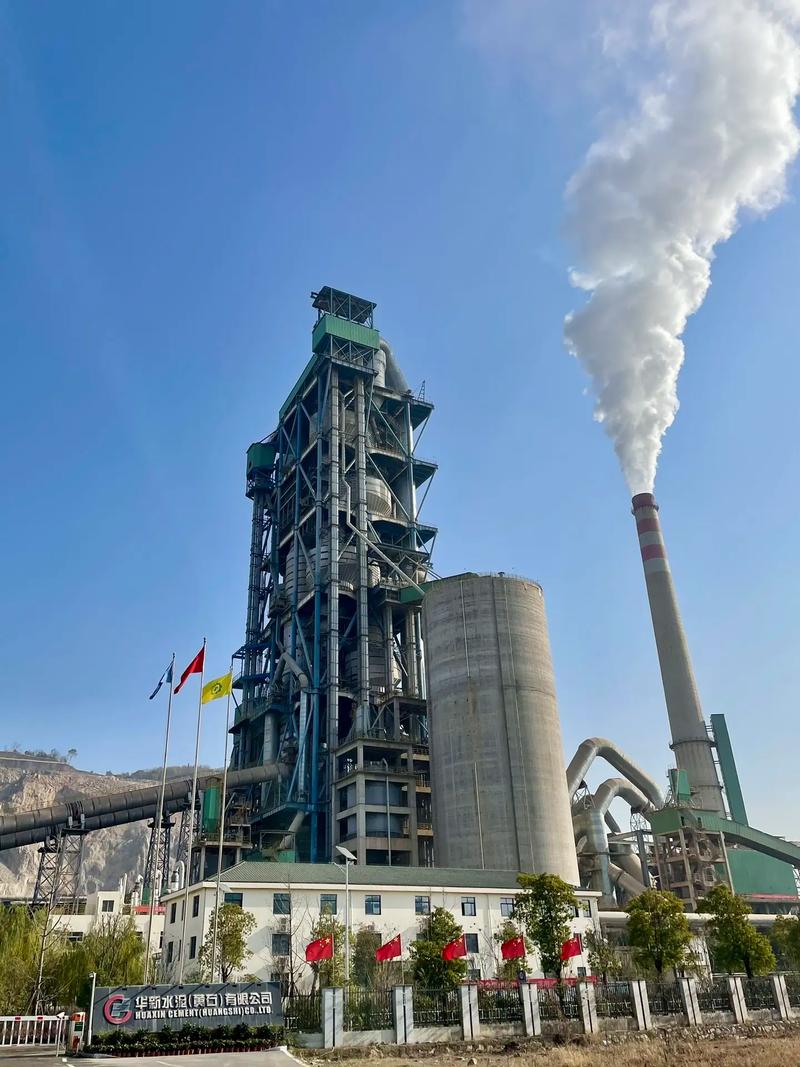
Cement is one of the most important materials used in modern construction. It is produced through a carefully controlled process that combines calcium, silicon, aluminum, iron, and other mineral components. The primary raw materials typically include limestone, clay, shale, silica sand, and iron-bearing materials. When these ingredients are heated to extremely high temperatures in a rotary kiln, they form clinker—a hard, rock-like material that is subsequently ground into the fine powder known as cement.
When cement is blended with water and aggregates such as sand and gravel, it forms concrete, the backbone of modern infrastructure. Due to its strength, durability, versatility, and the widespread availability of raw materials, concrete remains the most commonly used construction material worldwide.
As global populations continue to grow and urbanization accelerates, demand for cement is expected to remain strong. Today, annual global cement production exceeds 4 billion tonnes, supporting the development of housing, transportation networks, industrial facilities, and public infrastructure.
Despite its economic importance, cement manufacturing presents significant environmental and health challenges.
✅One major concern is energy consumption. Most cement plants rely on coal as the primary fuel for kiln operations, with approximately 200–450 kilograms of coal required to produce one tonne of cement. This intensive energy demand contributes to greenhouse gas emissions and other environmental impacts.
✅Another critical issue is particulate matter (PM) emissions. The cement industry is recognized as one of the largest industrial sources of airborne dust. Throughout crushing, grinding, kiln processing, clinker cooling, and material handling operations, fine particles can be released into the atmosphere. On average, cement production generates approximately 0.13 kilograms of dust emissions per tonne of finished product if not effectively controlled.
✅Exposure to cement dust and fine particulate matter can adversely affect human health, particularly the respiratory system. Prolonged exposure may contribute to coughing, throat irritation, reduced lung function, and other respiratory conditions. In regions with large-scale cement production, controlling particulate emissions has become an important public health priority.
✅For these reasons, effective dust collection and filtration systems are essential components of modern cement plants. Properly designed and maintained baghouse filters and dust collectors help capture airborne particles before they are released into the environment, protecting workers, improving plant cleanliness, supporting regulatory compliance, and reducing the overall environmental footprint of cement manufacturing.
When cement is blended with water and aggregates such as sand and gravel, it forms concrete, the backbone of modern infrastructure. Due to its strength, durability, versatility, and the widespread availability of raw materials, concrete remains the most commonly used construction material worldwide.
As global populations continue to grow and urbanization accelerates, demand for cement is expected to remain strong. Today, annual global cement production exceeds 4 billion tonnes, supporting the development of housing, transportation networks, industrial facilities, and public infrastructure.
Despite its economic importance, cement manufacturing presents significant environmental and health challenges.
✅One major concern is energy consumption. Most cement plants rely on coal as the primary fuel for kiln operations, with approximately 200–450 kilograms of coal required to produce one tonne of cement. This intensive energy demand contributes to greenhouse gas emissions and other environmental impacts.
✅Another critical issue is particulate matter (PM) emissions. The cement industry is recognized as one of the largest industrial sources of airborne dust. Throughout crushing, grinding, kiln processing, clinker cooling, and material handling operations, fine particles can be released into the atmosphere. On average, cement production generates approximately 0.13 kilograms of dust emissions per tonne of finished product if not effectively controlled.
✅Exposure to cement dust and fine particulate matter can adversely affect human health, particularly the respiratory system. Prolonged exposure may contribute to coughing, throat irritation, reduced lung function, and other respiratory conditions. In regions with large-scale cement production, controlling particulate emissions has become an important public health priority.
✅For these reasons, effective dust collection and filtration systems are essential components of modern cement plants. Properly designed and maintained baghouse filters and dust collectors help capture airborne particles before they are released into the environment, protecting workers, improving plant cleanliness, supporting regulatory compliance, and reducing the overall environmental footprint of cement manufacturing.
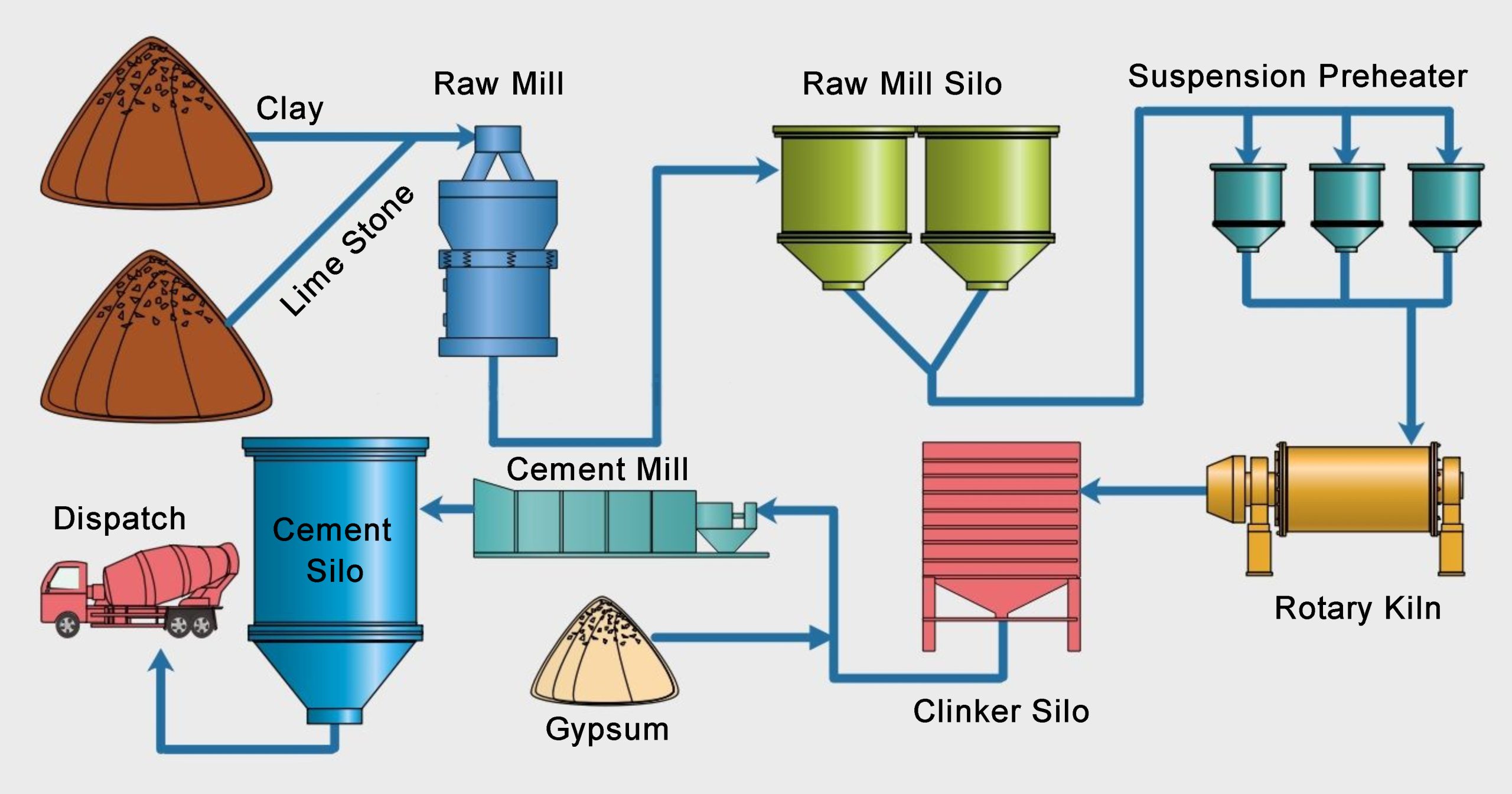
Core Application Process
Dust Filtration Challenges
Dust filtration at cement plants can be challenging as dust emission runs through the entire production processes, which includes raw material milling & grinding, coal grinding, pyroprocessing, clinker cooling, finish milling & grinding, and packaging & bulk loading. Each production process generates a different type of dust, and therefore, requires a specific dust filtration solution. In general, dust from various production processes at cement plants has the following characteristics:
Light weight and fine particles, with size ranges from micrometer to nanometer
High moisture at high temperature
High concentration
Complex composition
Abrasive
Light weight and fine particles, with size ranges from micrometer to nanometer
High moisture at high temperature
High concentration
Complex composition
Abrasive
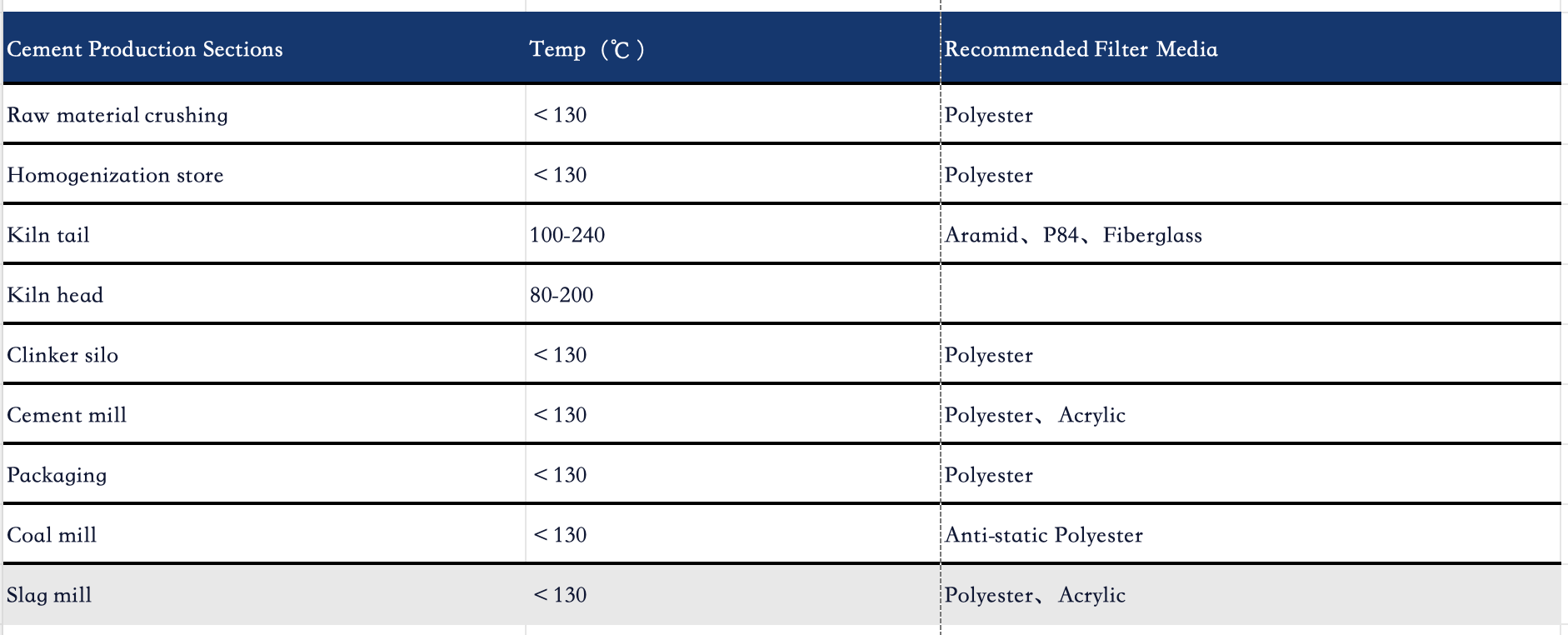
Selection Guide for Filter Bags in Different Sections of Cement Plants