
Non-Ferrous Metals Industry
Non-Ferrous Metals Industry Overview
Non-ferrous metals are those without iron. Common examples include aluminum, copper, zinc, lead, nickel, titanium, tin, and precious metals like gold and silver.
Key properties that make them valuable:
1. High resistance to corrosion and rust
2. Non-magnetic
3. Relatively low melting points
4. Good electrical and thermal conductivity
5. Ductile and malleable
6. Lightweight
7. Fully recyclable
Thanks to these traits, non-ferrous metals are widely used in automotive, aerospace, defense, electronics, power & energy, construction, medical devices, and mechanical engineering.
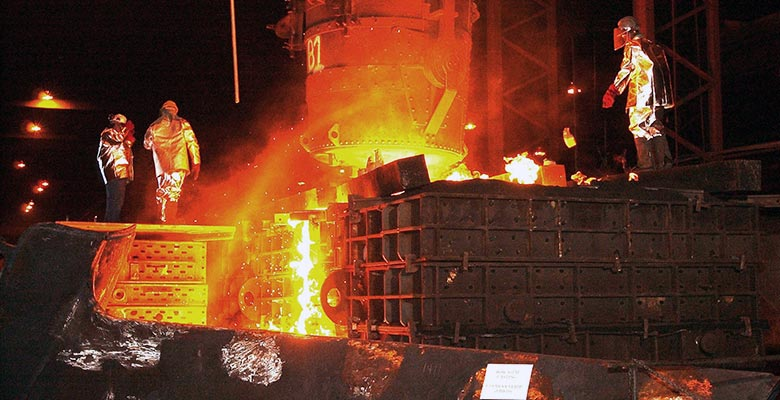
The production process is energy-intensive—smelting and refining require large amounts of fuel. Acids, alkalis, and other chemicals are also commonly used. As a result, manufacturing generates heavy dust and fume emissions. That's why non-ferrous metal plants depend on reliable, high-efficiency filtration systems.
Production Process, Application Points & Specific Machines
Non-ferrous metal production (smelting, refining, recycling) generates high-temperature, corrosive, and fume-laden off-gases. Strict emission regulations (e.g., EU Industrial Emissions Directive, China GB 25467) mandate baghouse filtration as the final barrier before the stack.
The image on the right shows the production process and the relevant equipment applied to air dust collectors
The image on the right shows the production process and the relevant equipment applied to air dust collectors

Dust Filtration Challenges
Fugitive dust emissions occur at multiple points through the manufacturing processes in non-ferror metal plants. Main sources of emission include raw material storage and handling, roasting, smelting, refining, melting and casting. Main air pollutants emitted include CO2, CO, NOx, PM10, sulfur oxides (SOx), VOCs (volatile organic compounds), dioxins & furans, NH3, hydrochloric acid (HCl), fluorine & inorganic compounds, chlorine & inorganic compounds, PAHs and PFCs. The dust ladden gas flow generated during the manufacturing processes has the following characteristics:
1. High moisture level at high temperature
2. Acid corrosive
3. Fluctuated airflow velocity
4. High dust density
Thanks to these traits, non-ferrous metals are widely used in automotive, aerospace, defense, electronics, power & energy, construction, medical devices, and mechanical engineering.
The production process is energy-intensive—smelting and refining require large amounts of fuel. Acids, alkalis, and other chemicals are also commonly used. As a result, manufacturing generates heavy dust and fume emissions. That's why non-ferrous metal plants depend on reliable, high-efficiency filtration systems.
Kking Filters' Industrial Filtration Solutions
KKING FILTERS' depth of expertise and understanding of the unique filtration challenges that exist in the non-ferrous metals industry has seen many innovative filtration solutions developed specifically to help solve these challenges. Our primary goal is to help industrial customers keep operating and maintenance costs to a minimum with safe, clean, and efficient production using complete solutions for dust and fume filtration at all stages in the non-ferrous metal manufacturing process. Our filtration solutions have the following advantages:
Increased airflow
Reduced dust emissions
Increased filter bag life due to reduced cleaning
Increased energy efficiency due to reduced cleaning
Potential decreased number of installed filter bags
Increased airflow
Reduced dust emissions
Increased filter bag life due to reduced cleaning
Increased energy efficiency due to reduced cleaning
Potential decreased number of installed filter bags