
Power Generation Industry
Industry Overview
The power generation industry is responsible for converting various energy sources into electricity to support modern society. These energy sources include coal, natural gas, nuclear power, hydropower, wind energy, and solar energy. Regardless of the technology used, the primary objective of every power plant is to produce reliable electricity as efficiently as possible.
In recent years, renewable energy sources such as solar, wind, and hydropower have expanded rapidly as countries pursue long-term carbon reduction goals. Despite this growth, thermal power plants fueled by coal, natural gas, and oil continue to supply a significant share of the world's electricity demand.
However, fossil fuel combustion can generate particulate matter, acid gases, heavy metals, and other airborne pollutants. If not properly controlled, these emissions may negatively affect air quality and pose risks to human health, including respiratory and cardiovascular problems. Fine particulate matter is of particular concern because it can travel long distances and remain suspended in the atmosphere for extended periods.
To minimize environmental impact and comply with increasingly stringent emission standards, efficient air pollution control systems are essential in thermal power plants. High-performance dust collection systems help capture particulate emissions, protect workers and nearby communities, improve plant cleanliness, and support sustainable power generation.
Maintaining dust collectors and filtration systems at optimal operating conditions is therefore a critical component of modern thermal power plant operations.
In recent years, renewable energy sources such as solar, wind, and hydropower have expanded rapidly as countries pursue long-term carbon reduction goals. Despite this growth, thermal power plants fueled by coal, natural gas, and oil continue to supply a significant share of the world's electricity demand.
However, fossil fuel combustion can generate particulate matter, acid gases, heavy metals, and other airborne pollutants. If not properly controlled, these emissions may negatively affect air quality and pose risks to human health, including respiratory and cardiovascular problems. Fine particulate matter is of particular concern because it can travel long distances and remain suspended in the atmosphere for extended periods.
To minimize environmental impact and comply with increasingly stringent emission standards, efficient air pollution control systems are essential in thermal power plants. High-performance dust collection systems help capture particulate emissions, protect workers and nearby communities, improve plant cleanliness, and support sustainable power generation.
Maintaining dust collectors and filtration systems at optimal operating conditions is therefore a critical component of modern thermal power plant operations.
Dust Filtration Challenges
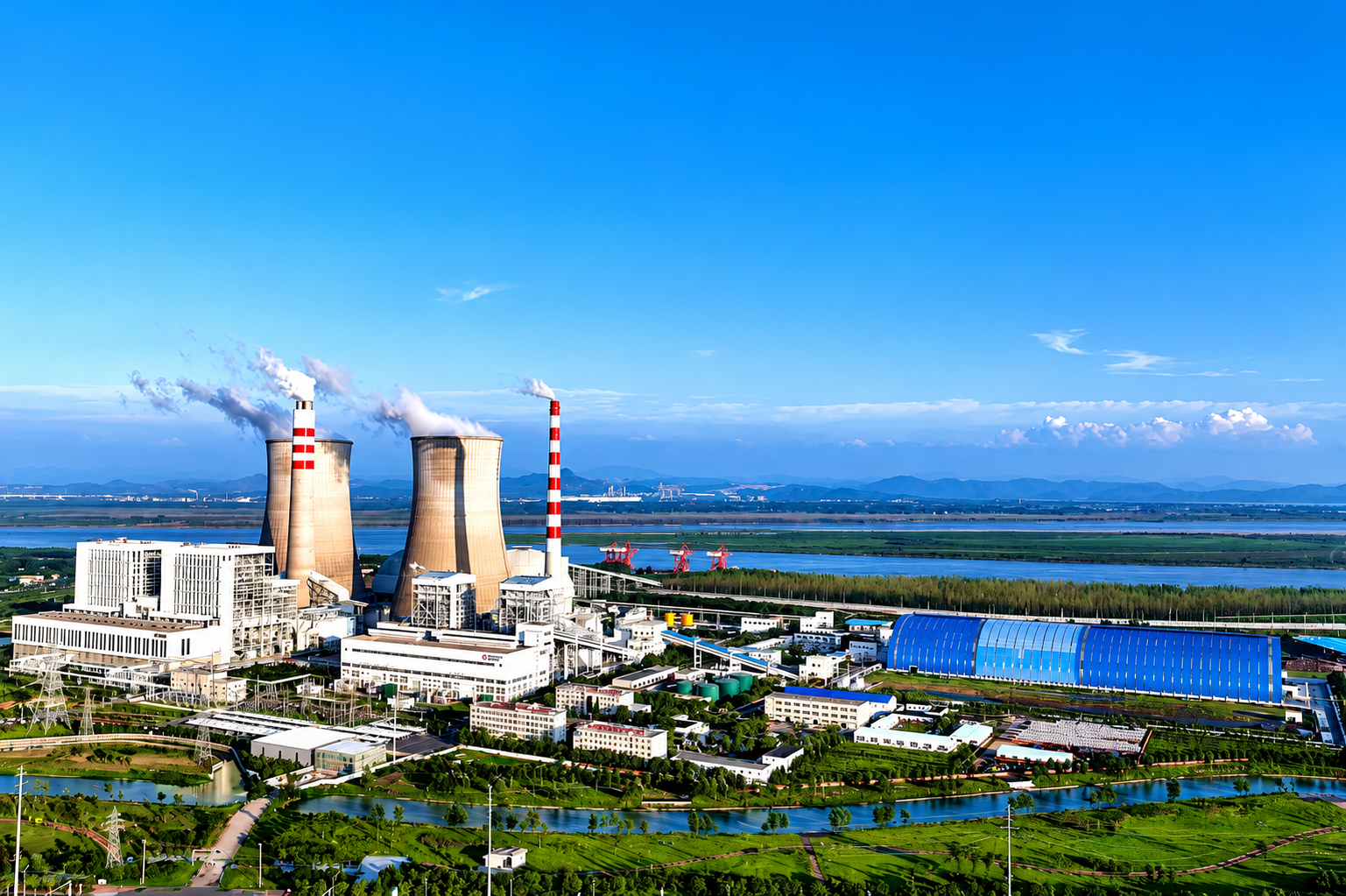
In thermal power plants coal is burnt to heat the boiler to a high temperature to produce steam. This super heated steam is used to rotate a steam turbine to which a power generator is connected resulting in the generation of electricity.
To generate electricity power plants use different processes which result in the particulate matter being released into the environment causing a high degree of air pollution. Thermal power plants are a major source of air pollution in many countries across the globe. The pollution caused by these power plants is severe enough people who are residing near power plants are more prone to respiratory illnesses as they have a comparatively higher exposure to particulate matter. The PM 10 and PM 2.5 levels of the surrounding area are usually higher than the prescribed limits.
Coal storage, coal handling, boiler, ash handling, ash storage, ash discharge and transportation are the major contributors to the release of particulate matter from thermal power plants. Dust emissions from thermal power plants usually have the following characteristics:
✅Massive discharge mainly at the fuel combustion stage
✅Complex composition: more than 80 hazardous air pollutants, including sulfur dioxide (SO2), nitrogen oxides (NOx), carbon dioxide (CO2), acid gases and mercury
✅High moisture at high temperature
To generate electricity power plants use different processes which result in the particulate matter being released into the environment causing a high degree of air pollution. Thermal power plants are a major source of air pollution in many countries across the globe. The pollution caused by these power plants is severe enough people who are residing near power plants are more prone to respiratory illnesses as they have a comparatively higher exposure to particulate matter. The PM 10 and PM 2.5 levels of the surrounding area are usually higher than the prescribed limits.
Coal storage, coal handling, boiler, ash handling, ash storage, ash discharge and transportation are the major contributors to the release of particulate matter from thermal power plants. Dust emissions from thermal power plants usually have the following characteristics:
✅Massive discharge mainly at the fuel combustion stage
✅Complex composition: more than 80 hazardous air pollutants, including sulfur dioxide (SO2), nitrogen oxides (NOx), carbon dioxide (CO2), acid gases and mercury
✅High moisture at high temperature
Kking filters Industrial Filtration Solutions
For almost 20 years, we’ve earned a reputation for reliability in power generation plants. Our customers count on us in the most challenging applications where failure is not an option. Our products work as intended the first time, and consistently every time. But our value doesn’t stop there. We consistently develop innovative, high-performance, and long-lasting filtration products that meet high emission standards. Focusing on industry specific emission control requirements, our Power Generation Industry filtration solutions have the following advantages:
 Effectively capture fine dust and particles
✅Corrosion resistance
✅Increased energy efficiency due to reduced cleaning
✅Effectively maintain a low differential pressure
Effectively capture fine dust and particles✅Corrosion resistance
✅Increased energy efficiency due to reduced cleaning
✅Effectively maintain a low differential pressure
Dust Collection Applications in the Power Generation Industry
Power plants generate large amounts of dust and particulate matter throughout the electricity production process. Efficient dust collection systems are essential for maintaining air quality, protecting equipment, ensuring worker safety, and meeting environmental regulations.
The main applications of dust collectors in power plants include:
1. Coal Receiving and Unloading
Dust is generated during truck, railcar, or ship unloading operations. Dust collectors help prevent coal dust from escaping into the surrounding environment.
2. Coal Crushing Systems
Crushing coal produces significant airborne dust. Baghouse dust collectors are commonly installed to control emissions and improve workplace conditions.
3. Coal Transfer Points
Dust is released whenever coal moves through conveyors, chutes, and hoppers. Localized dust collection systems capture particles at the source.
4. Coal Mills and Pulverizers
Coal grinding creates fine combustible dust. High-efficiency dust collectors help maintain safe operating conditions and reduce explosion risks.
5. Boiler Flue Gas Cleaning
Combustion generates fly ash and fine particulate matter. Baghouses or other filtration systems remove dust before flue gases are discharged through the stack.
6. Fly Ash Handling Systems
Dust is generated during ash collection, conveying, and storage. Dust collectors prevent secondary emissions and material loss.
7. Ash Silos
Silo filling and venting operations can release large amounts of fine ash. Vent filters and dust collectors are used to maintain clean operation.
8. Bottom Ash Handling
Dust control systems help minimize particulate emissions during ash discharge and transportation.
Well-designed dust collection systems play a critical role in improving plant efficiency, reducing emissions, and supporting sustainable power generation.
The main applications of dust collectors in power plants include:
1. Coal Receiving and Unloading
Dust is generated during truck, railcar, or ship unloading operations. Dust collectors help prevent coal dust from escaping into the surrounding environment.
2. Coal Crushing Systems
Crushing coal produces significant airborne dust. Baghouse dust collectors are commonly installed to control emissions and improve workplace conditions.
3. Coal Transfer Points
Dust is released whenever coal moves through conveyors, chutes, and hoppers. Localized dust collection systems capture particles at the source.
4. Coal Mills and Pulverizers
Coal grinding creates fine combustible dust. High-efficiency dust collectors help maintain safe operating conditions and reduce explosion risks.
5. Boiler Flue Gas Cleaning
Combustion generates fly ash and fine particulate matter. Baghouses or other filtration systems remove dust before flue gases are discharged through the stack.
6. Fly Ash Handling Systems
Dust is generated during ash collection, conveying, and storage. Dust collectors prevent secondary emissions and material loss.
7. Ash Silos
Silo filling and venting operations can release large amounts of fine ash. Vent filters and dust collectors are used to maintain clean operation.
8. Bottom Ash Handling
Dust control systems help minimize particulate emissions during ash discharge and transportation.
Well-designed dust collection systems play a critical role in improving plant efficiency, reducing emissions, and supporting sustainable power generation.
Dust Collection Applications in Boiler Areas
Main Boiler Areas Requiring Dust Collection:
1. Fuel Receiving & Storage
2. Fuel Crushing & Screening
3. Conveyor Transfer Points
4. Coal Mills & Pulverizers
5. Boiler Flue Gas Cleaning
6. Fly Ash Handling Systems
7. Ash Silos
8. Bottom Ash Handling
Typical Filter Media Used in Boiler Applications
Coal Handling : Polyester
Coal Mills : Anti-Static Polyester
Biomass Boilers :PPS
Coal-Fired Boilers :PPS
High Sulfur Flue Gas :PPS + PTFE Membrane
High Temperature Systems: Fiberglass
Ultra-Low Emission Systems :PTFE Membrane
Waste-to-Energy Boilers : PTFE or Fiberglass + PTFE
The Boiler Flue Gas Cleaning System, Coal Mills, and Fly Ash Handling System are typically the most important filtration applications and account for the largest consumption of filter bags in boiler plants.
1. Fuel Receiving & Storage
2. Fuel Crushing & Screening
3. Conveyor Transfer Points
4. Coal Mills & Pulverizers
5. Boiler Flue Gas Cleaning
6. Fly Ash Handling Systems
7. Ash Silos
8. Bottom Ash Handling
Typical Filter Media Used in Boiler Applications
Coal Handling : Polyester
Coal Mills : Anti-Static Polyester
Biomass Boilers :PPS
Coal-Fired Boilers :PPS
High Sulfur Flue Gas :PPS + PTFE Membrane
High Temperature Systems: Fiberglass
Ultra-Low Emission Systems :PTFE Membrane
Waste-to-Energy Boilers : PTFE or Fiberglass + PTFE
The Boiler Flue Gas Cleaning System, Coal Mills, and Fly Ash Handling System are typically the most important filtration applications and account for the largest consumption of filter bags in boiler plants.