
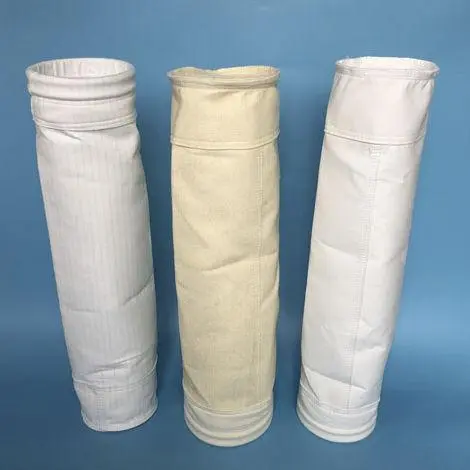
How to Choose the Best Filter Bag Material for Cement Plants (2026 Guide)
Introduction
In cement plants, filter bags are constantly exposed to high temperature, heavy dust load, and abrasive particles. Choosing the wrong filter bag material can lead to frequent replacement, increased maintenance costs, and reduced system efficiency.
In real applications, many users face problems such as short filter bag life, dust leakage, or clogging — and most of these issues are directly related to improper material selection.
This guide will help you choose the right filter bag material based on actual working conditions.
1. Key Challenges in Cement Plant Filtration
Before selecting a material, you need to understand the typical conditions:
- Temperature: 120°C – 200°C
- Dust: high concentration, abrasive
- Gas composition: may contain moisture and acidic gases
- Continuous operation
👉 These factors directly determine which material is suitable.
2. Best Filter Bag Materials for Cement Plants
Polyester Filter Bags
Polyester is the most commonly used material for standard conditions.
Best for:
- Temperature below 130°C
- Dry environments
- Cost-sensitive projects
👉 In many cement plants, polyester bags can last 12–18 months under stable conditions.
PPS Filter Bags
PPS is widely used in higher temperature and chemically aggressive environments.
Best for:
- Temperature up to 190°C
- Acidic gases (SO₂, NOx)
- Boilers and kiln systems
👉 In real projects, PPS filter bags often last 18–24 months, making them a cost-effective choice.
PTFE Filter Bags
PTFE is the premium option for extreme conditions.
Best for:
- High temperature (up to 260°C)
- Strong chemical corrosion
- Long service life requirements
👉 Although the initial cost is higher, PTFE bags can last significantly longer, reducing replacement frequency.
3. Common Mistakes in Material Selection
Many buyers choose materials based only on price, which leads to problems:
❌ Choosing polyester for high-temperature systems
❌ Ignoring chemical composition
❌ Not considering moisture and dust properties
👉 Result:
- Frequent failure
- Higher long-term cost
- Production downtime
4. How to Choose the Right Material (Simple Method)
You can follow this simple rule:
- Below 130°C → Polyester
- 130°C – 190°C → PPS
- Above 190°C → PTFE
Then adjust based on:
- Chemical conditions
- Dust characteristics
- Budget
5. Pro Tip from Real Projects
In many cement plant systems, the best solution is not the most expensive one, but the one that matches your operating conditions.
👉 For example:
Using PPS instead of PTFE in stable environments can reduce cost while maintaining performance.
Conclusion
Choosing the right filter bag material is critical for:
- Extending service life
- Reducing maintenance cost
- Improving filtration efficiency
👉 If you are unsure which material fits your system, send your working conditions and get a professional recommendation.