
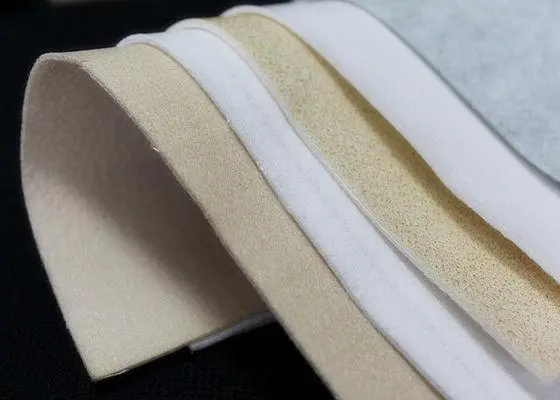
PPS vs PTFE Filter Bags: Which One Is Better for High-Temperature Applications?
Introduction
When selecting filter bags for high-temperature industrial applications, PPS and PTFE are two of the most commonly used materials. However, many buyers struggle to decide which one is the better option.
In real industrial environments, choosing the wrong material can result in frequent replacement, higher costs, and unstable filtration performance.
This guide compares PPS and PTFE filter bags based on real working conditions to help you make the right decision.
1. Temperature Performance
Temperature is the most critical factor.
- PPS: up to 190°C
- PTFE: up to 260°C
👉 If your system operates above 200°C, PTFE is usually the only safe choice.
In many boiler systems, PPS performs well, but in extreme conditions such as waste incineration, PTFE is more reliable.
2. Chemical Resistance
- PPS performs well in acidic environments (SO₂, NOx)
- PTFE is resistant to almost all chemicals
👉 In highly corrosive environments, PTFE clearly has an advantage.
3. Service Life Comparison
Based on real applications:
- PPS: typically 18–24 months
- PTFE: can last 2–4 years under stable conditions
👉 PTFE has a longer lifespan, but only if properly selected.
4. Cost vs Performance
- PPS: lower initial cost
- PTFE: higher initial cost but longer lifespan
👉 Many users choose PPS for cost control, but PTFE often reduces long-term replacement costs.
5. When to Choose PPS
Choose PPS if:
- Temperature is below 190°C
- Budget is limited
- Conditions are relatively stable
6. When to Choose PTFE
Choose PTFE if:
- Temperature exceeds 200°C
- Chemical corrosion is severe
- You want long service life
Pro Tip
In many cases, users overpay for PTFE when PPS would already meet the requirements.
👉 Matching material to actual conditions is more important than choosing the most expensive option.
Conclusion
- PPS → cost-effective solution
- PTFE → high-performance solution
👉 If you’re unsure, send your working conditions for a professional recommendation.