
How Particle Size Affects Dust Collector Selection
Choosing the right dust collector for your operation isn’t just about capturing dust—it’s about capturing the right size of dust. Particle size impacts everything from filtration efficiency to system performance, making it essential to understand the composition of your dust. Knowing the particle size distribution can mean the difference between a clean, safe workspace and costly inefficiencies, whether you’re dealing with large, heavy particles or fine, airborne particles.
The Significance of Particle Size Distribution
Particle size distribution refers to the range of particle sizes present in a sample of dust. This distribution affects how easily particles can be captured and removed from the airflow.
Larger particles, typically over 50 microns, are easier to capture. Most dust collectors can effectively remove nearly all particles of this size. Smaller particles, especially those under 10 microns, present a greater challenge. Their tiny size allows them to stay suspended in the air longer, making them harder to capture.
Choosing the Right Dust Collector Components
Selecting the appropriate dust collector requires precise information about the particle size distribution of the dust produced in your processes. This data helps in choosing components that will maximize efficiency and meet regulatory standards.
The Value of Accurate Data
Relying on averages or approximations isn’t sufficient. While providing a mean particle size with standard deviation offers a general idea, actual test data gives a clearer picture. Sending dust samples to a lab for analysis can provide a comprehensive particle size distribution curve. This detailed information is invaluable for designing a system that addresses your specific challenges.
Types of Dust Collectors and Their Applications
Different dust collectors handle various particle sizes and industrial applications.
Baghouse Collectors
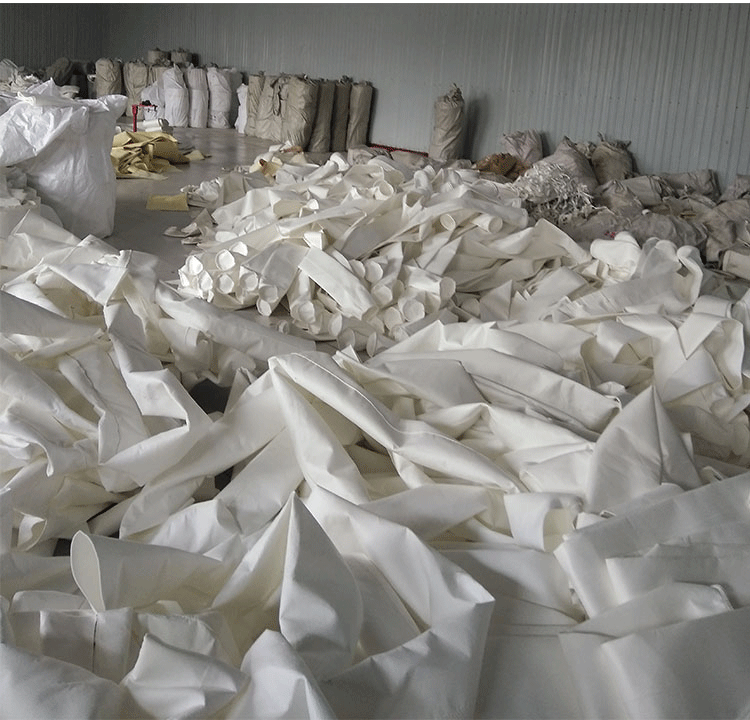
Baghouse collectors are effective for a wide range of particle sizes, including very fine dust. They use fabric filter bags to trap particles, making them suitable for processes that generate dust under 20 microns.
Cartridge Collectors
Cartridge collectors work well with dry, free-flowing dust and are particularly efficient with smaller particles. Their compact design and high filtration efficiency make them ideal when space is limited.
Enhancing System Performance
Understanding particle size distribution allows you to improve the performance of your dust collection system in several ways.
Optimized Equipment Selection
With precise particle size data, you can select dust collectors specifically designed to handle the range of particles in your processes. This targeted approach enhances efficiency and reduces maintenance needs.
Appropriate Filter Media
Factors like particle size distribution, operating temperature, and exposure to chemicals determine the type of dust collector filter bags you need. Some options include:
- Cotton: Used in shaker collectors and ambient air applications, with a maximum temperature of 180°F.
- Polyester: Versatile and durable, suitable for most uses up to 275°F.
- Polypropylene: Ideal for environments with moisture or chemicals, operating up to 190°F.
- High-Temperature Media: Includes options like Nomex®, Fiberglass, and Teflon®, handling up to 500°F.
- SlyHE Felts: Microfiber filters for fine, uniform dust capture and high efficiency.
Matching the right media to your dust particle sizes and operating conditions ensures effective collection and system longevity.